Many postpartum mothers search phrases like “painless lactation massage” because they want the same thing: relief that feels gentle, practical, and respectful when feeding has already become stressful.
Usually, the real concern is not the phrase itself. It is a combination of symptoms like localized breast tenderness, pressure, a recurring clogged feeling, feeding discomfort, or the fear that the situation is getting harder instead of easier.
Why early attention often matters
When a clogged or pressured area lingers, the discomfort can become harder to ignore and feeding can start feeling more complicated. Clients often book early support because they want to reduce pressure, improve comfort, and keep things from escalating if possible.
That is also why many people start by reviewing postpartum clogged duct support before they decide whether to book.
What people are usually looking for
Most clients are not searching for an intense treatment experience. They are searching for support that feels:
- gentle rather than aggressive
- informed by breastfeeding realities
- practical for a tired postpartum body
- clear about when medical care may be more appropriate
That combination matters because postpartum clients are often short on sleep, short on time, and already overwhelmed.
What a first supportive visit may help clarify
A first visit may help clarify whether the concern sounds more like:
- localized blockage or pressure
- repeated feeding strain
- compression from positioning, bras, or routine habits
- a pattern that should be watched more closely because it may be changing
That first layer of clarity is often what worried clients are actually searching for online.
What gentle support should focus on
High-quality postpartum breast support should prioritize comfort, informed pacing, and symptom awareness. The goal is usually not to force the body aggressively. It is to support relief while paying attention to what the body is signaling.
In practical terms, clients often want help understanding:
- whether the pattern still feels manageable
- what makes symptoms worse through the day
- what home steps are helping or not helping
- when the situation has moved beyond a routine support question
When medical care should come first
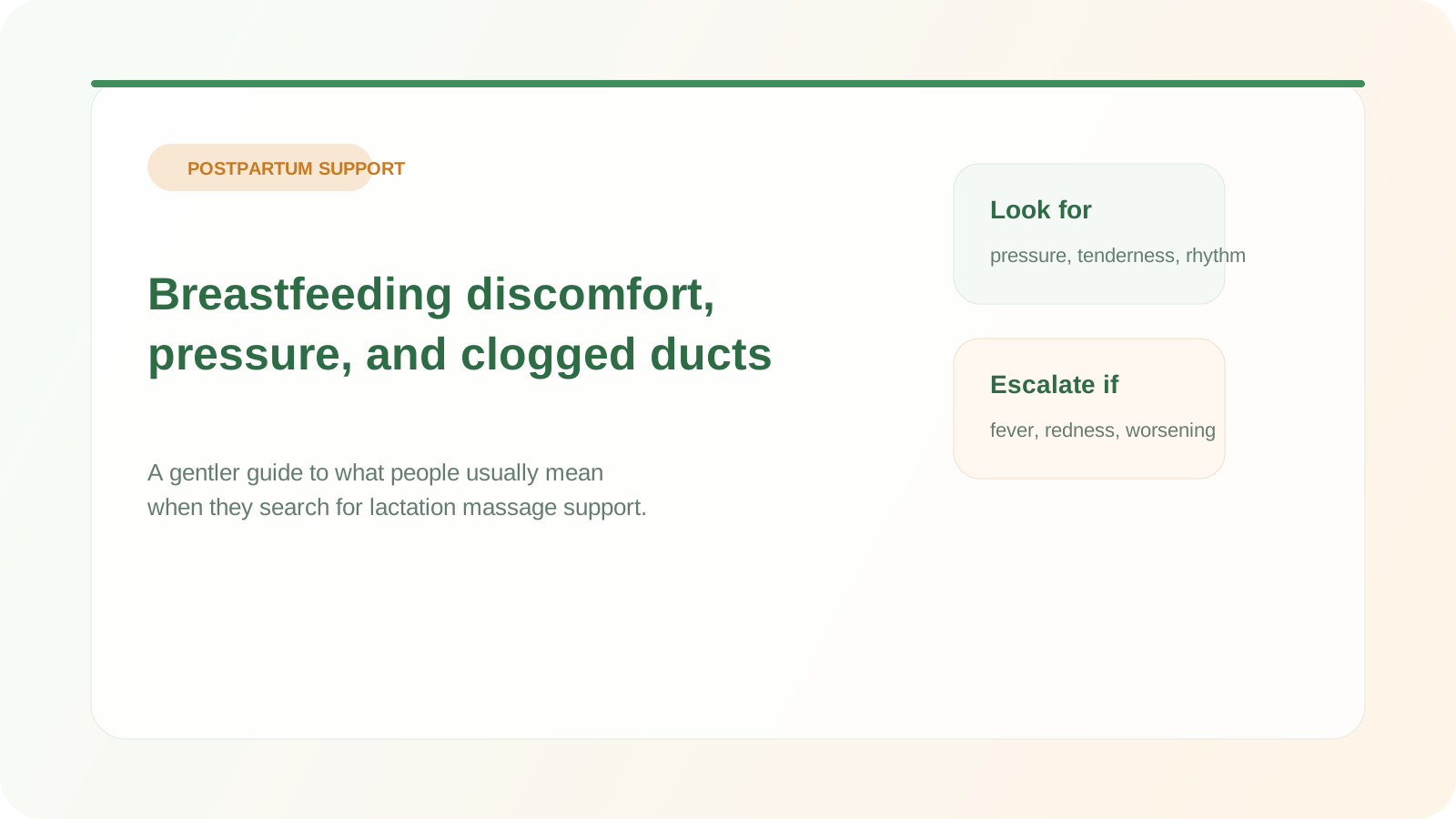
If there is fever, strong redness, obvious worsening, or concern about infection, it is better to move toward medical assessment first. Supportive care should not replace that judgment.
This is one of the biggest reasons detailed postpartum education matters. The reader should leave with less confusion, not more.
What to pay attention to between visits
The most useful home observations are often simple:
- when the discomfort feels strongest
- whether one area stays repeatedly involved
- whether feeding rhythm changes the symptoms
- whether relief lasts after rest, feeding, warmth, or care
These details help make follow-up care more specific and safer.
Why this topic keeps getting searched
Postpartum breast discomfort articles are valuable because readers are rarely just gathering casual information. They are often trying to decide quickly whether the problem is ordinary, whether it may worsen, and whether it is worth getting support now instead of waiting longer.
If a good article helps a parent separate gentle support questions from medical red-flag questions, then it is doing exactly what it should.
Professional context
Postpartum breast discomfort and clogged-duct discussions should be written with extra care because symptoms can overlap with mastitis and other conditions. Practical comfort advice is useful, but escalation signs matter.
When medical assessment matters first
Get medical assessment promptly if pain is worsening, redness is spreading, fever or flu-like symptoms appear, or there are signs of mastitis or abscess.
Professional references
- Breastfeeding Challenges (ACOG)
- Clogged Milk Duct: Causes, Symptoms & Treatment (Cleveland Clinic)
- What to Expect While Breastfeeding (CDC)